Monthly Archives: May 2026

Sipping with confidence: a local bourbon lover’s guide to describing whiskey like a pro

Walk into any neighbourhood whiskey bar on a Friday night and you’ll hear it — guests circling a glass of bourbon, searching for the right words. “Smoky?” “Sweet?” “Something… toasty?” Learning how to talk about bourbon has quietly become part of the social fabric for tasting groups, supper clubs and local distillery tours, and it turns out the vocabulary is easier to pick up than most newcomers think.

Flavor is personal, but language is what lets us share it — whether you are chatting with friends at a tasting flight, choosing a bottle for a neighbour’s birthday, or simply enjoying a quiet pour at home. A little structure goes a long way.

What does wheated bourbon taste like?

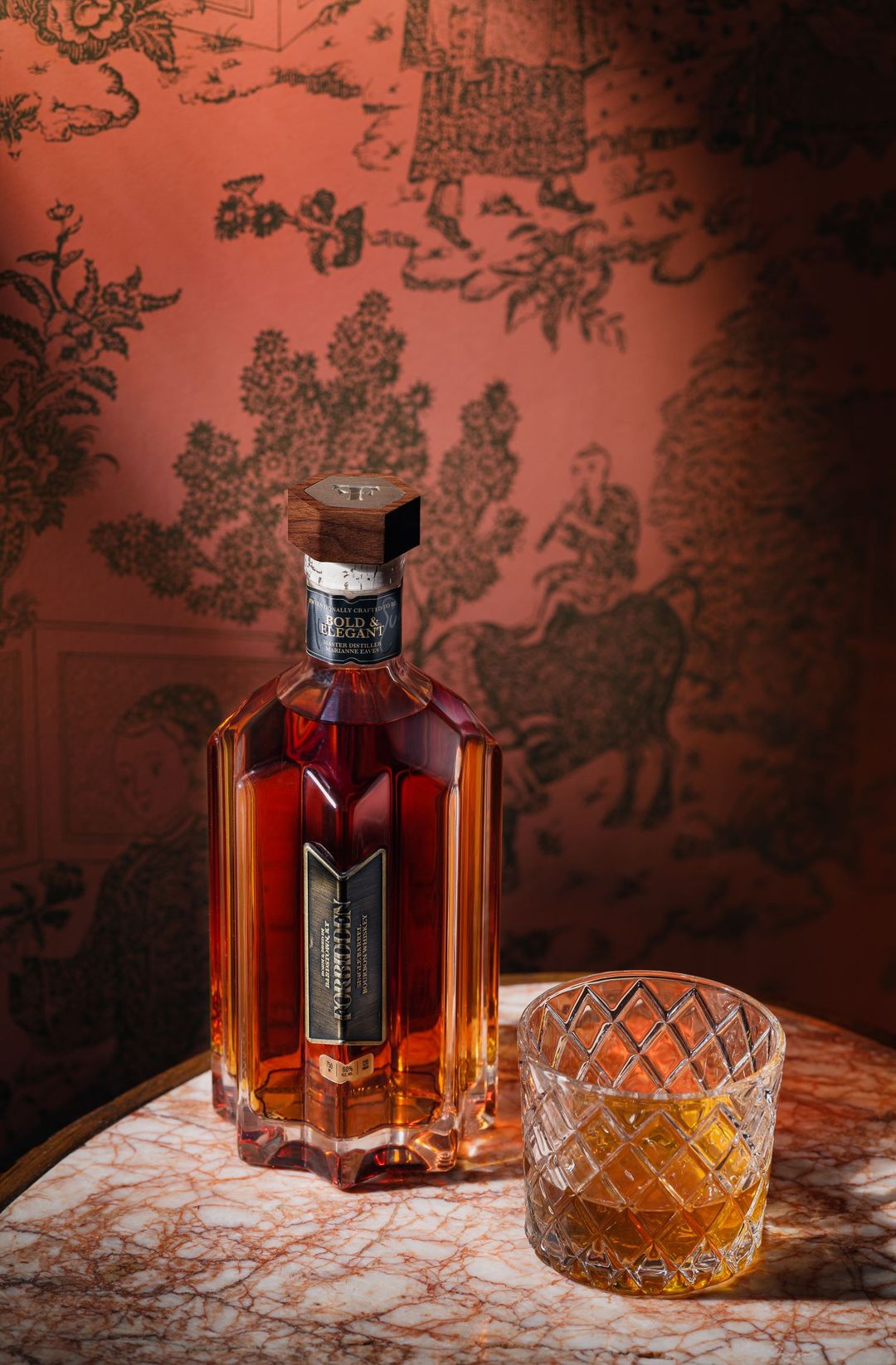
One of the most common questions newcomers ask is what to expect from a wheated bourbon. Wheated bourbons swap the traditional rye in the mash bill for wheat, softening the edges and letting other flavors step forward. The result is usually smoother, rounder and slightly sweeter. Expect notes of vanilla, caramel and gentle fruit, with spice taking more of a supporting role.

Distillers using white wheat in particular tend to produce a velvety mouthfeel and a layered character that balances sweetness with subtle grain depth. Each sip feels approachable, but never one-note.

A simple map for talking about bourbon

Local bartenders often teach a three-part framework that anyone can use:

  • Aroma: the first impression — vanilla, oak, caramel, baking spice, or even a hint of fruit.
  • Palate: how the flavours unfold across the tongue — sweetness from corn, creaminess from wheat, spice from rye and oak.
  • Finish: the lingering aftertaste, which may be warming and smooth, or carry notes of toasted grain or baking spice.

The framework is just a starting point. There is no right or wrong description — only what you taste and how you choose to share it.

From tasting notes to conversation

Small-batch and single-barrel releases tend to invite this kind of exploration. Small-batch expressions usually emphasise balance and harmony across aroma, palate and finish, while single-barrel bottlings highlight the individuality of each cask, with one barrel leaning toward caramel and oak and another revealing soft fruit or spice.

These are not just technical notes for bartenders. They are entry points for conversation — a way to understand why one pour feels comforting on a cool evening and another feels bold beside a steak.

Building confidence one sip at a time

Learning how to describe bourbon is less about memorising terms and more about trusting your senses. Whether you describe a glass as silky, layered or softly spiced, you are already speaking the language of whiskey appreciation. So the next time a friend at the bar asks, “what does this taste like?”, you can answer with more than a shrug — you can share a story, one sip at a time.

Tampa bourbon bars cheer as UK whiskey tariff reversal saves a Kentucky-to-England favourite

For Tampa’s growing community of bourbon enthusiasts — from the speakeasies along 7th Avenue in Ybor City to the riverside cocktail bars in Downtown — there is reason to raise a glass this week. A federal decision to lift tariffs on whiskies coming in from the United Kingdom is rippling all the way down to Bay Area shelves, and one of the brands most affected is a Kentucky bourbon with an unusual transatlantic journey.

Never Say Die Bourbon is distilled, barreled and aged for six years in Kentucky before being shipped across the Atlantic to England, where it spends additional time aging before being bottled and sent back to American drinkers. The brand takes its name from a struggling young horse foaled in Lexington, said to have been revived by a shot of whiskey before going on to win a major race in England — a story that has become a small legend on local bar back-bars from South Tampa to St. Petersburg.

Earlier this year, the company had been preparing for the worst. After the most recent change in administration, founders feared a return of the kind of tariffs introduced during President Trump’s first term and rushed to ship roughly a year-and-a-half’s supply of product into the United States before inauguration day. “We shipped a lot of barrels over to the UK, so we got out ahead of it, hoping that the tariffs wouldn’t last,” co-founder Brian Luftman told Spectrum News from the construction site of the brand’s new distillery in Lexington.

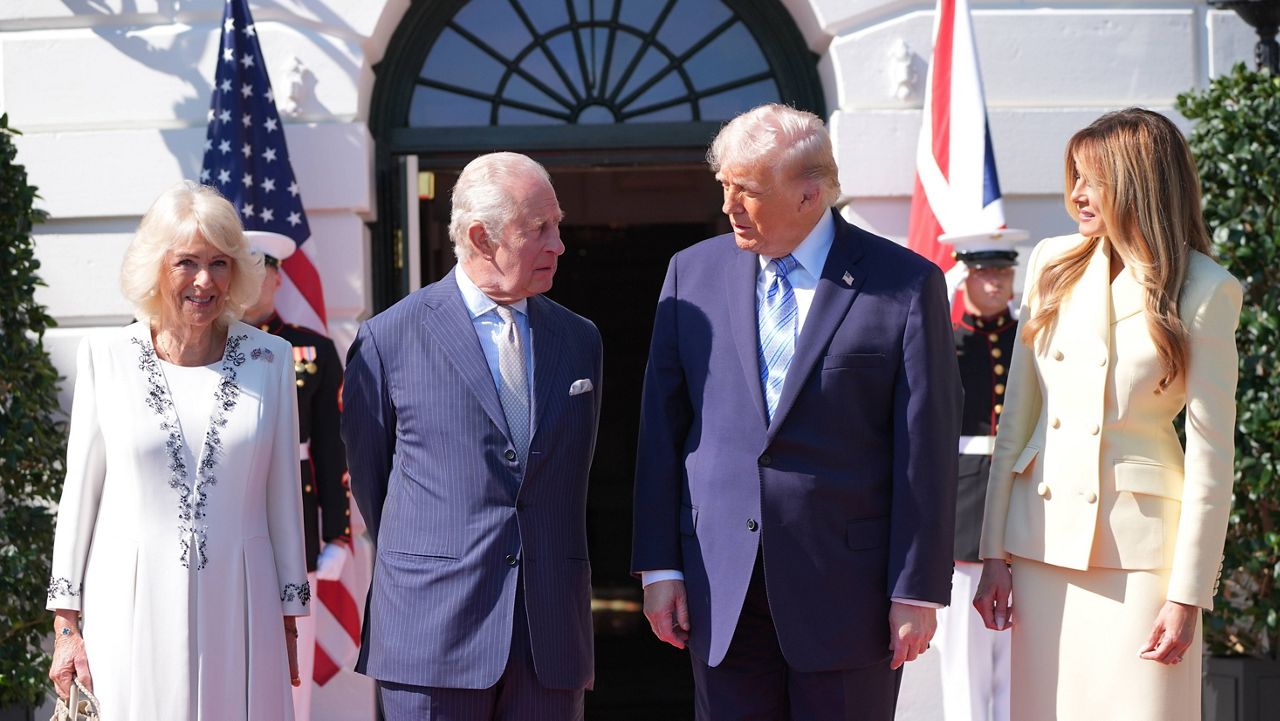
Just as that emergency stockpile was running thin on shelves in markets like Tampa, the White House announced it was lifting tariffs on UK whiskies following the president’s recent visit with King Charles III. The U.S. Trade Representative also confirmed “preferential duty access” for whiskey produced in the United Kingdom.

For local bar owners, the relief is tangible. The bourbon industry, Luftman acknowledged, “is pretty tight right now” — no longer booming as it was a few years ago — and an extra layer of tariff would have squeezed already thin margins. Tampa bartenders who pour Never Say Die alongside Florida-made spirits say the reversal protects not only price points but the variety their guests have come to expect.

The decision also lands well with Tampa’s scotch drinkers. Because most scotch is matured in used American bourbon barrels, the two industries are tightly intertwined — and supporters on both sides of the Atlantic have been celebrating what they see as a win for the broader brown-spirits world.

For now, regulars at Tampa’s whiskey bars can expect Never Say Die to keep arriving — and the long, salt-aged trip from Kentucky to England and back can continue without an unwelcome line on the receipt.

Edinburgh Zoo welcomes Scotland’s first baby sloth, named Atty after Sir David Attenborough

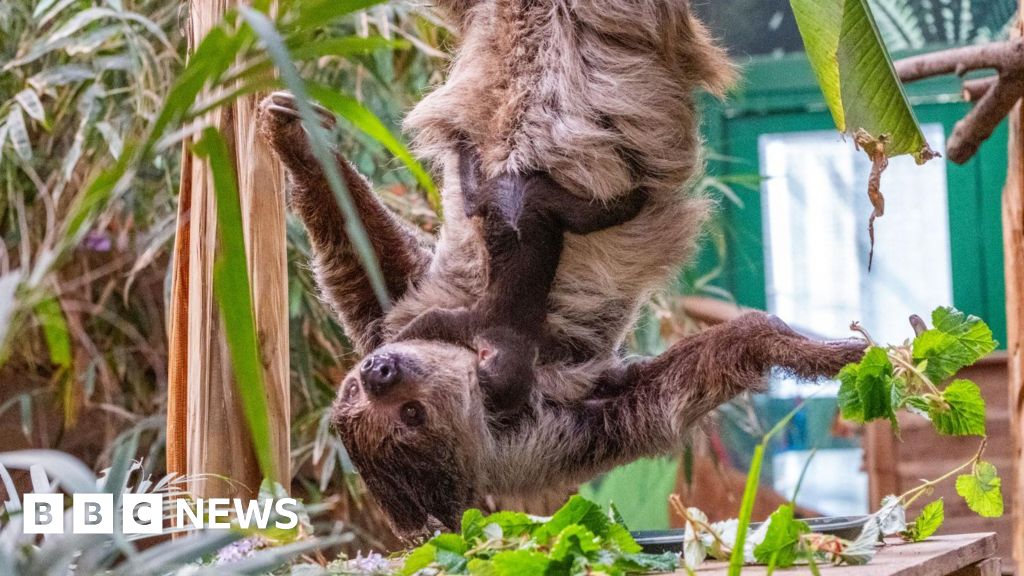
Corstorphine has a tiny new neighbour. Edinburgh Zoo has announced the arrival of Scotland’s first ever baby sloth, a male Linne’s two-toed sloth born on Monday to first-time parents Feira and Nico. Keepers at the Royal Zoological Society of Scotland (RZSS) have named the newborn Atty, in tribute to Sir David Attenborough, who marked his 100th birthday at the weekend.

The birth is being celebrated as a landmark moment for the local zoo, which sits within the heart of west Edinburgh and has long been a fixture of family weekends for residents across Corstorphine, Murrayfield and beyond. Both parents are six years old and have been favourites with regular visitors since they arrived at the sloth house.

Head keeper Jess Brown said the moment was “groundbreaking, not just for Edinburgh Zoo, but for Scotland”. She added that seeing a sloth baby clinging to its mother for the very first time had been a special experience for the entire team, and that little Atty was already “showing plenty of personality”. Visitors lucky enough to catch a glimpse may spot a tiny face peeking out from Feira’s fur.

For the first six months of his life, Atty will grip tightly to his mother’s stomach. From around two months old, he will start to learn which leaves are safe to eat by sampling food directly from her mouth, a behaviour typical of sloths in the wild.

The name Atty is a nod to the broadcaster and environmentalist whose decades of natural history programmes have inspired generations of Edinburgh schoolchildren. In a 2017 interview, Sir David told the BBC that if he could be any animal for a day, he would “undoubtedly be a sloth” — describing the appeal of “hanging about upside down” with “nothing to do, sleeping most of the time”.

Mum and baby are currently resting together in their enclosure. The zoo confirmed that the sloth house will reopen to visitors from 2pm on Wednesday, although opening times will vary over the coming weeks as Feira and Atty settle in. Families planning a visit are encouraged to check opening hours at the gate on arrival.

The arrival of Atty adds to a string of recent good news from the Corstorphine Road site, which last year welcomed an “incredibly rare” pygmy hippo. For locals, it’s another reason to be proud of one of Edinburgh’s best-loved community institutions — and another small, slow-moving reason to visit.